
Inside the Evolving World of Casino Clubhouse Digital Playgrounds

How the Lobby Becomes the Heart of Modern Online Leisure Casino Clubhouse The digital casino experience has shifted dramatically in recent years, and the lobby now serves as more than…
When Premium Touches Matter: Finding Depth in Bass Win Digital Play

The Lived Experience of Modern Casino Entertainment Players today value environments that feel considered rather than rushed, and Bass Win has built subtle space for that kind of appreciation. Detailed…
Inside SpinMaya: A Thoughtful Tour of Modern Online Entertainment Choices

Navigating First Impressions and Platform Clarity When stepping into a new digital entertainment space, the first few minutes often shape how comfortable a visitor feels. SpinMaya presents a clean layout…
Inside the World of Royal Panda: A Thoughtful Look at Modern Online Leisure

Digital Platforms and the Comfort of Accessible Play Royal Panda Casino Modern leisure habits have shifted dramatically toward digital spaces where convenience and variety come together. People no longer need…
Rodeo Slots Brings a Fresh Spin to the World of Online Casino Play

What Makes Rodeo Slots Feel Different From Standard Casino Apps? Most digital slot platforms blend into one another after a few minutes, but Rodeo Slots carves out its own lane…
RocketPlay and the Subtle Details That Make Online Casino Nights Feel Special

What separates a memorable live casino session from an average one? The difference often lies in micro-details that most players notice only after several visits. Lighting that shifts gently when…
Cybercrime and Online Casinos: Legal Tools for Protecting Operators’ Intellectual Property

The rapid expansion of the online gambling industry has brought unprecedented opportunities for operators, but it has also exposed them to sophisticated cybercriminal activities targeting their intellectual property assets. From…
Artificial Intelligence in Online Casinos: Copyright and Ethical Regulation Issues

The integration of artificial intelligence technologies into the online gambling industry raises complex questions about intellectual property ownership, regulatory compliance, and ethical boundaries. As AI systems increasingly power game development,…
How to Build a Software Development Team: A Complete Guide for 2026

One of the main strategic factors in the activity of a technical company is the creation of a powerful software development team. As the market for software solutions continues to…
Top Software Development Companies in Europe for 2025

The European technology market has rapidly evolved into a global powerhouse, attracting businesses that want innovation, scalability, and reliable delivery. Today, choosing the right software development company in Europe is…
Review of European law reform: blog
In 2015, the European Union announced a large-scale program designed to improve the performance of the European single market, and especially its digital segment. The tasks are ambitious – the flourishing of the data economy and online business projects, the availability of content to users, the protection of the interests of authors. Two dozen new regulations, directives and messages of the European Commission, a huge array of accompanying materials with a detailed analysis of the markets and an assessment of the discussed changes have been prepared. Among other things, a major update of the legislation on copyright and related rights is planned. Will the proposed changes become a full-fledged reform and what will happen with digital regulation? In today’s series of publications, we will analyze all the most interesting that awaits European law in the coming years.
The first post discusses the main documents that set the strategy for building a single digital market. Additional publications outline reform projects:
copyright and related rights
rules for regulating digital contracts
principles of enforcement of copyright and consumer rights
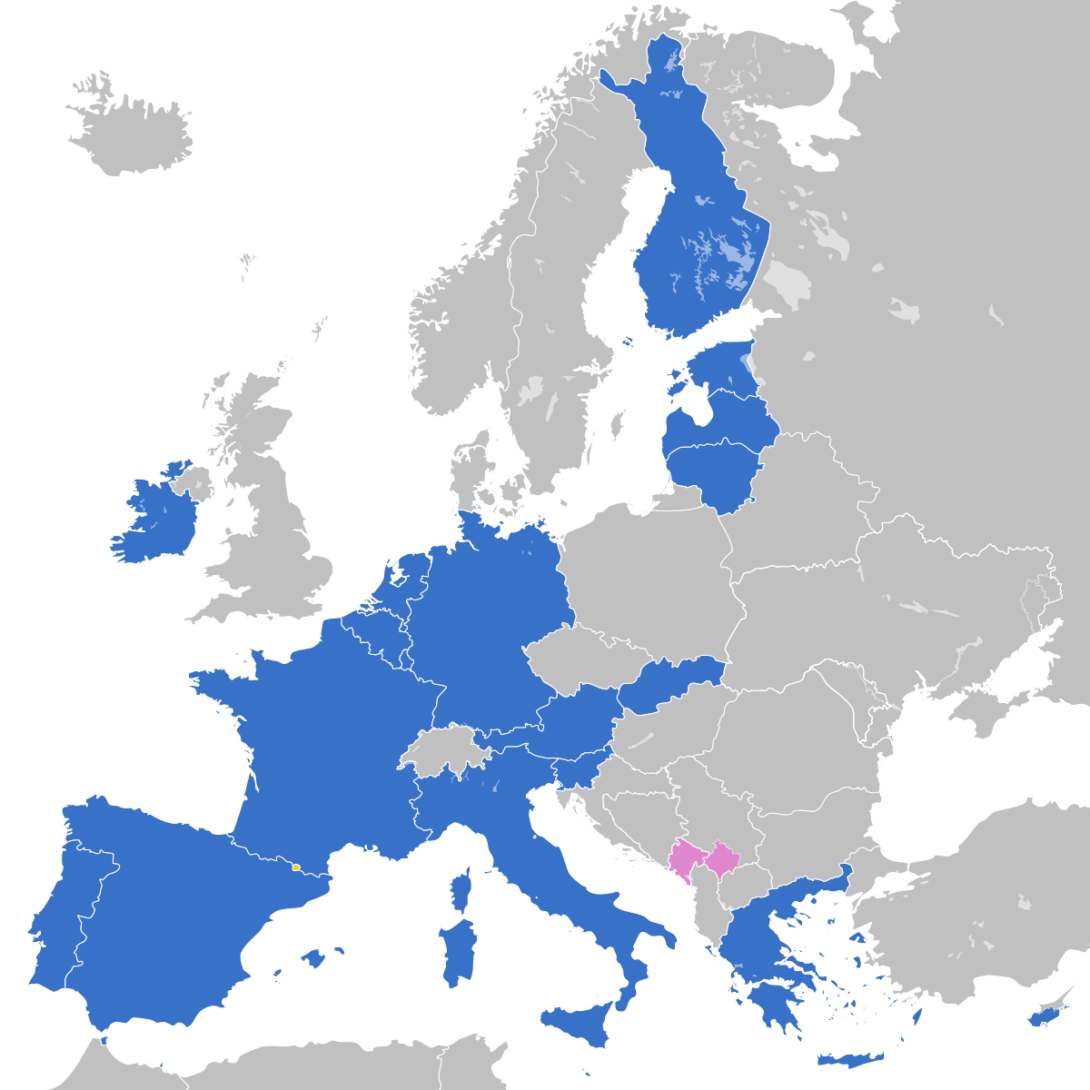
It is believed that the period of active lawmaking in the European Union ended several years ago. Large-scale acts have ceased to appear. The legislator yielded the initiative to the EU Court of Justice, which continued to harmonize the law through its broad interpretation. It turned out fragmentary and inconsistent. EU officials continued to argue that they share public and legal concerns about the impossibility of dragging out copyright reform.
The European Commission has announced new plans from time to time. But they all boiled down to endless public consultations and exchange of views, during which the same participants gave predictable comments in advance.
Certain narrowly focused directives (on orphan works or collective management) only added small pieces to the patchwork of EU intellectual law policy. Finally, in 2015, the European Commission published two important Communications: “A Digital Single Market Strategy for Europe” and “Towards a modern, more European copyright”. There was a timid hope that the situation would change. Several new regulations and directives have been prepared to develop the Messages. To these we add several projects that also affect the digital sphere, and we get a more complete picture.
A few preliminary notes. Each document referred to below includes extensive and interesting empirical evidence, as well as a description of objectives and principles to better understand the vision of the European Commission. But since they are hundreds of pages long, I will give just a few. Let me emphasize that the series of publications posted today does not contain a critical analysis of the material. Additional articles will be devoted to him.
I. Communication A Digital Single Market Strategy for Europe dated 05/06/2015.
The Internet and digital technologies, having turned from a separate sector of the economy into the basis of the entire innovative economic system, are changing the way of life and work of every person, enterprise, and society as a whole.
The emerging national digital markets will be more efficient as a single European one. Digital Single Market (DSM) is a market in which the free movement of goods, labor resources, services, capital is ensured, and in which individuals and enterprises can equally access and operate online under conditions of fair competition, high the level of protection of consumer rights and personal data, as well as regardless of their citizenship or location.
The DSM Strategy is based on 3 pillars: ensuring better consumer and business access to online goods and services across Europe; creating the right conditions for the development of infrared networks and content services; increasing the growth potential of the European digital economy.
- Among the measures to improve online access, the European Commission names the following.
1.1. Simulating a more active involvement of participants in e-commerce by increasing their trust in each other.
Digital commerce facilitates the cross-border distribution of content, goods and services. But as long as potential participants do not trust each other, they will not take advantage of the new opportunities. For this reason, only 38% of EU residents are ready to buy something over the Internet in another EU country. And only 7% of European small and medium enterprises dare to do cross-border business online. Trust is achieved through clear and uniform rules for making transactions, regardless of the location of the parties.
Business should know what requirements it will face in other EU states, and consumers should have convenient tools to protect their interests. At the very least, harmonization of contract and consumer protection legislation is needed, which has now been only partially achieved.